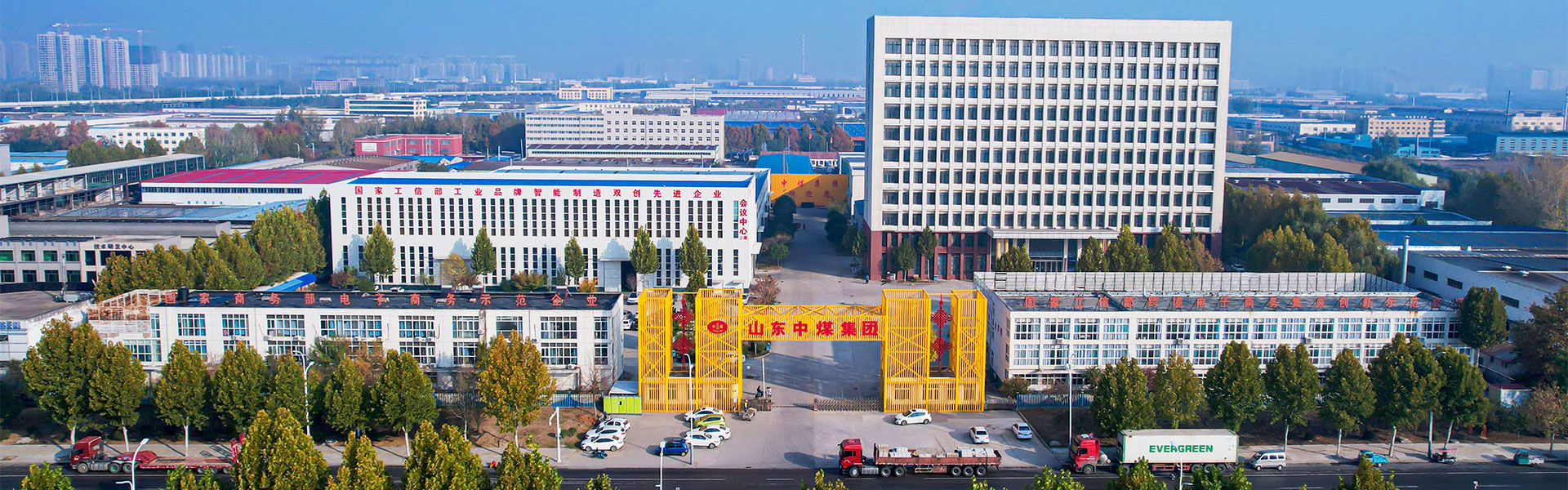
In the diverse field of subsurface construction, the selection of support systems is critical. Among the options, the U-shaped steel support distinguishes itself through a compelling balance of properties. This analysis explores its standing relative to other technologies, particularly in its core function of providing reliable Underground Roof Support. Its widespread use is not incidental but the result of comparative advantages in key performance areas.
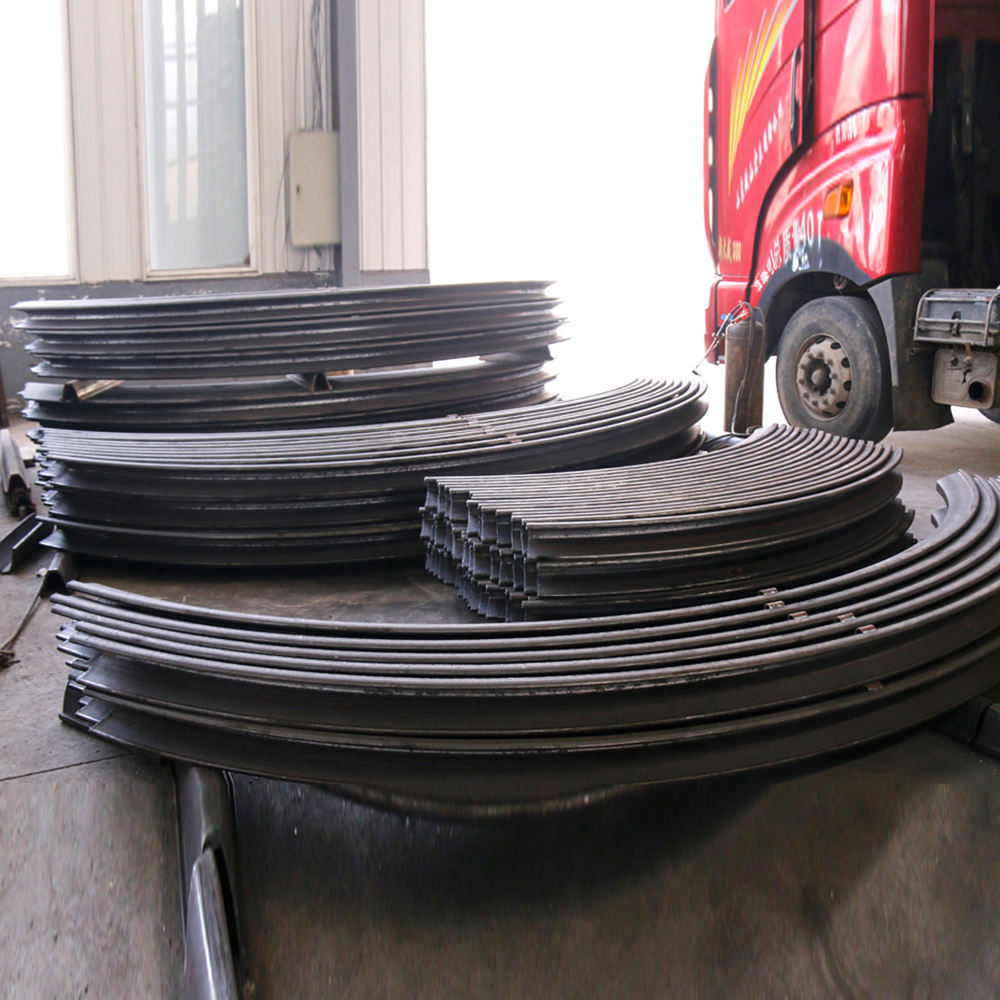
When evaluated against traditional timber or concrete lining, the U-shaped steel system demonstrates clear superiority for Mine Roof Support. Its high strength-to-weight ratio and predictable yielding behavior offer a safety profile that rigid concrete cannot match in dynamic ground conditions. Furthermore, its reusability and speed of deployment provide operational and economic benefits over timber, establishing it as a modern standard for effective Underground Roof Support in mining.
For civil engineering projects, the comparison extends to methods like shotcrete and rock bolting. While these are excellent for stabilization, the U-shaped steel arch provides immediate, high-capacity Tunnel Roof Support in weak or fractured rock masses where other systems may be inadequate. It acts as a primary, load-bearing skeleton, often used in conjunction with secondary linings to create a robust, multi-layered Underground Roof Support strategy for long-term infrastructure.
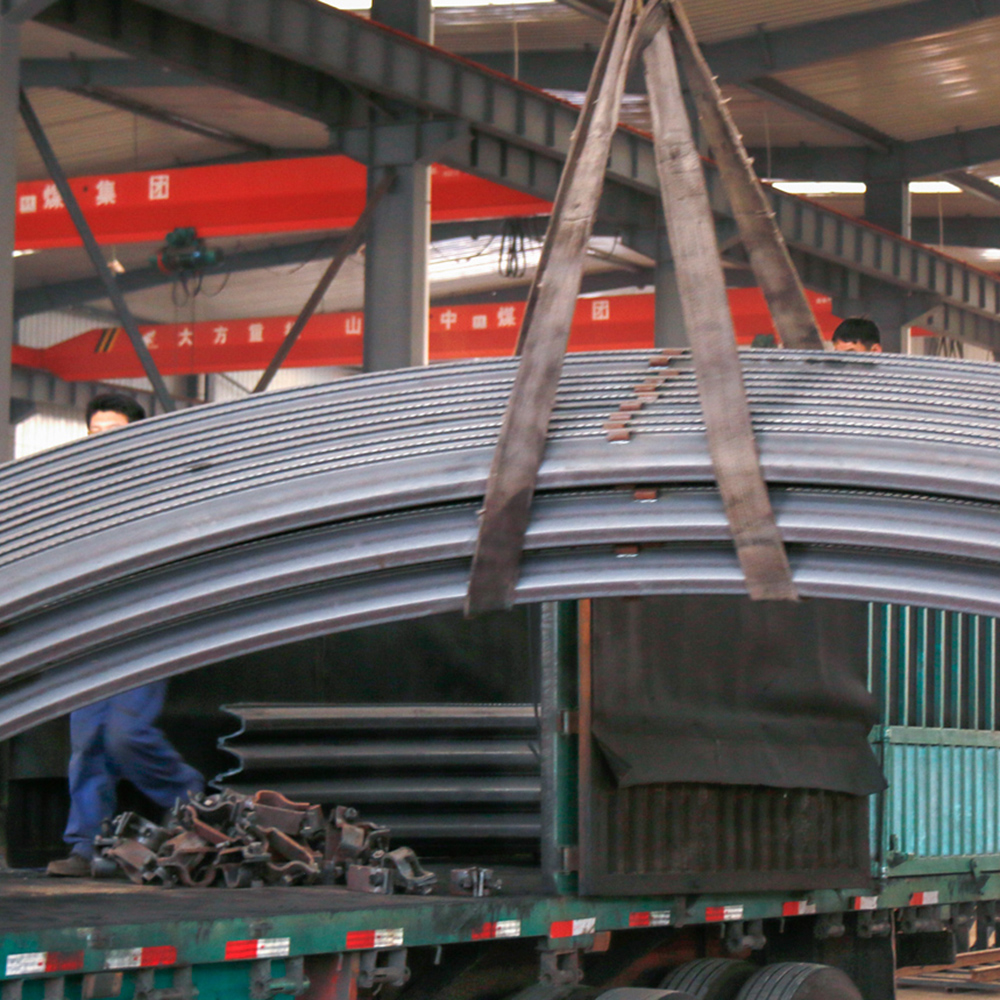
Ultimately, the U-shaped steel support's position is defined by its hybrid nature: it is both strong and forgiving. This makes it less prone to sudden failure than brittle systems and more capable than flexible ones. Whether ensuring worker safety through dependable Mine Roof Support or guaranteeing the longevity of public infrastructure via robust Tunnel Roof Support, its comparative advantages in versatility, safety, and cost-effectiveness solidify its role as a fundamental component in the global Underground Roof Support toolkit.